Carat
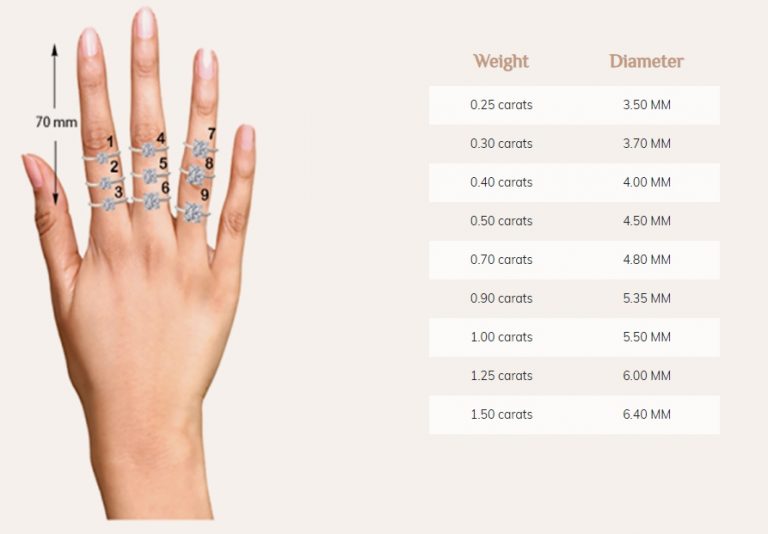
A diamond’s weight is measured in carats, a unit equal to 200 milligrams. AKARA offers diamonds in a wide range of sizes so you can choose what best suits your preference and budget.
Understand the report behind your diamond and discover the four qualities that define its beauty.
Before purchasing a diamond, you should review its certificate as proof that it has undergone an unbiased, professional examination. A diamond certificate—also called a grading report, diamond dossier or quality document—is created by a team of gemologists.
The diamond is evaluated, measured and scrutinized using trained eyes, a jeweler’s loupe, a microscope and other specialist tools. A complete certificate analyzes dimensions, clarity, color, polish, symmetry and other characteristics. Many round diamonds also include a cut grade.
AKARA Fine Jewelry diamonds are analyzed and graded by the Gemological Institute of America (GIA) or the Hoge Raad voor Diamant (HRD). These are among the most respected laboratories in the diamond industry, known for consistent and unbiased grading systems.
Understanding a diamond’s qualities is straightforward when you know what to look for.
A diamond’s weight is measured in carats, a unit equal to 200 milligrams. AKARA offers diamonds in a wide range of sizes so you can choose what best suits your preference and budget.
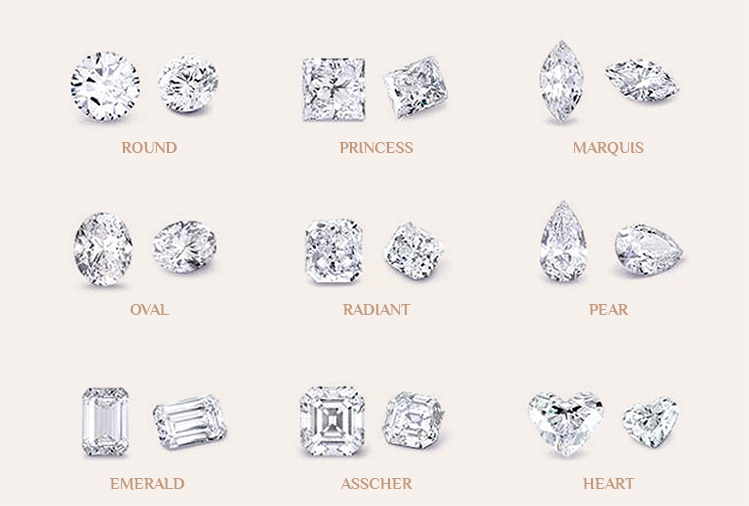
Cut is the most important factor in creating sparkle and fire. A beautifully cut diamond returns light with brilliance; a poor cut can make even a high-quality diamond appear dull.
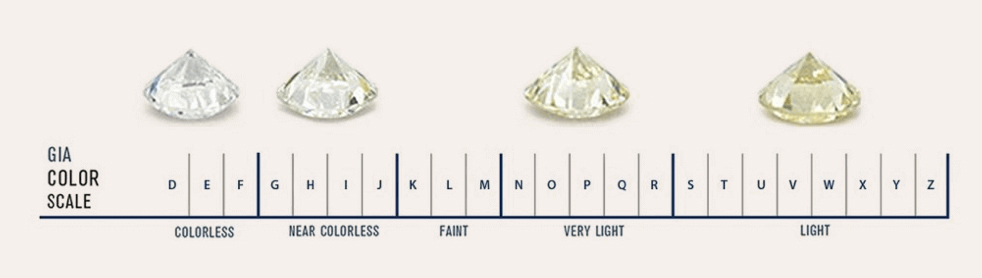
Color refers to a diamond’s natural body color. The less color a diamond exhibits, the rarer it is. Diamonds with less color allow more light to pass and reveal more brilliance and fire.
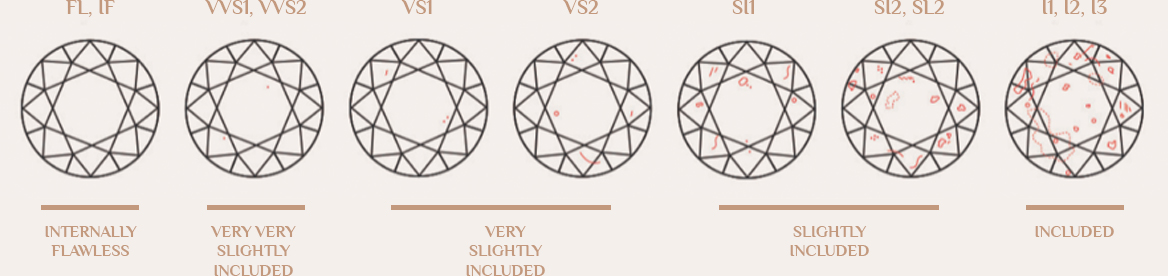
Clarity is determined by the visibility, number and size of inclusions. Grades range from Flawless to Included, with characteristics plotted on the diamond grading certificate.